
COMPOSITE CABLE MANAGEMENT

GRP and FRP Cable Trays in the UAE

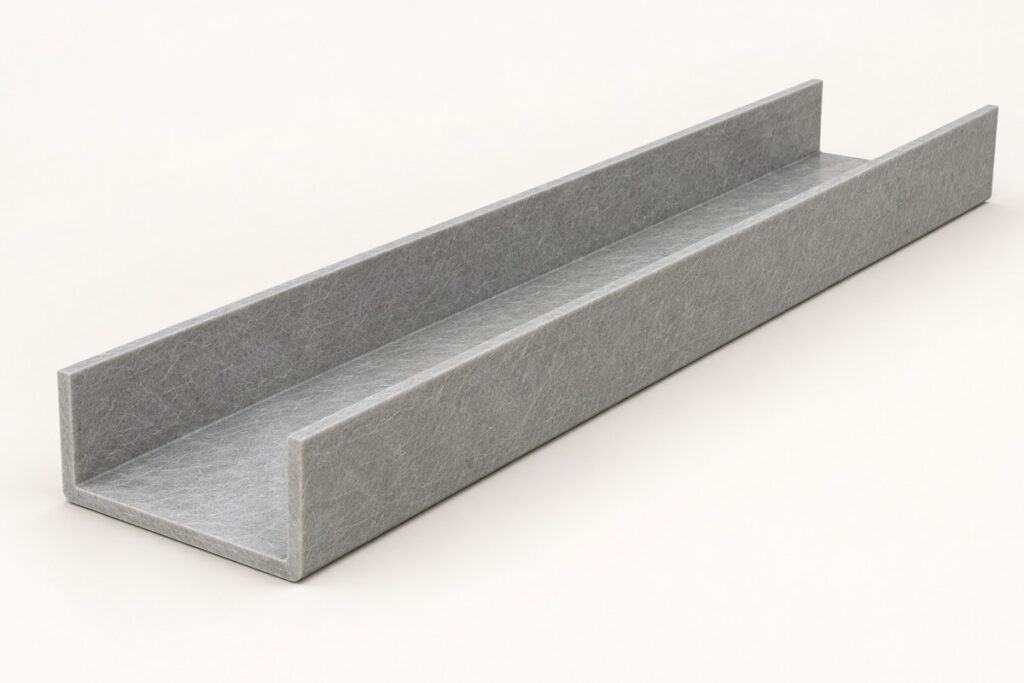
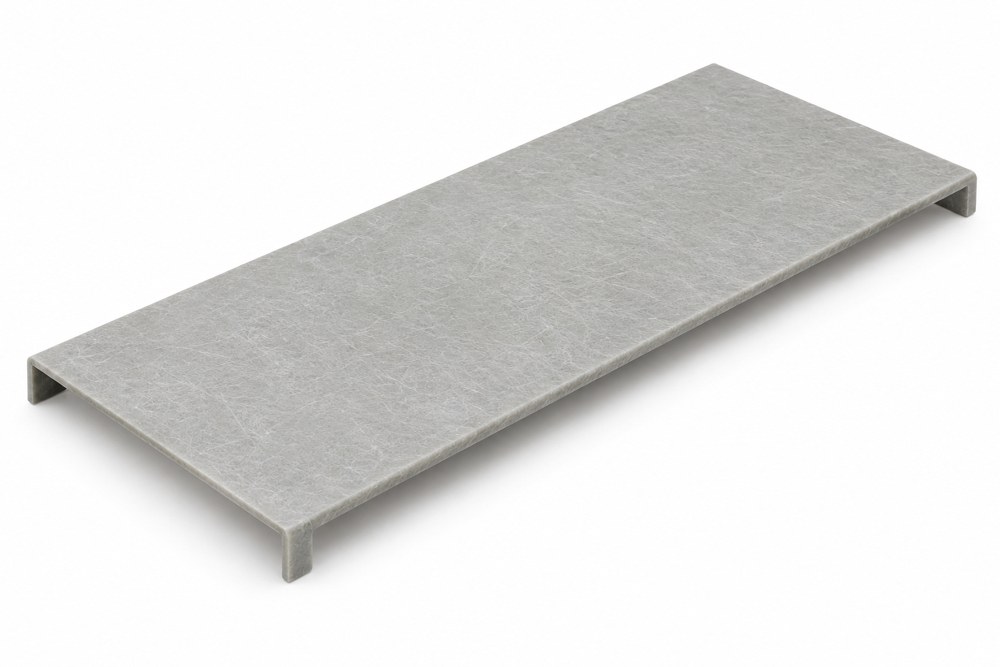
Illustration of a grey composite GRP and FRP cable tray with raised side walls
Product illustration. Confirm the offered construction and dimensions in the quotation.

Bonn Metals manufactures and supplies GRP/FRP cable trays for project requirements across Dubai, Abu Dhabi and the wider UAE. Start your enquiry with the tray type and application, then confirm the dimensions, material requirements and supporting documentation for the selected system.

What is a GRP cable tray?

A GRP cable tray is a cable support system made from a composite containing glass-fibre reinforcement and a polymer resin. GRP is part of the broader FRP material family; a glass-fibre tray may be described using either term. Performance depends on the particular product construction and resin system.

Selecting a composite system

Consider composites where the project requires a non-metallic cable support solution. Review the exposure conditions and specification before deciding whether the proposed system is suitable. Chemical resistance, UV behaviour, fire performance and service temperature must be supported by the applicable product data.

Details to confirm before ordering

Selection detailInformation to request
Tray configurationActual construction, usable width and side depth
DimensionsAvailable lengths, widths, depths and tolerances
MaterialReinforcement and identified resin system
Structural performanceLoad/span tables and relevant test basis
ExposureChemical compatibility and temperature limitations
Fire requirementsApplicable reports for the offered construction
InstallationJointing, supports, site cutting and fixing instructions
AccessoriesCompatible fittings, covers and connectors

Fittings and route coordination

Identify changes of direction, branches and transitions when planning the route. Request matching bends, tees, reducers, covers and connectors where required. Check how fittings, joints and support components are coordinated within the complete system.

Applications

Industrial plants, utility facilities, infrastructure and other projects may evaluate GRP/FRP alongside steel systems. The installation environment and required documentation determine suitability; an industry label is not an approval for every exposure condition.

Understand the composite construction

GRP identifies a composite using glass-fibre reinforcement within a polymer resin. FRP is the broader family of fibre-reinforced polymers, so both terms may appear in a description of the same glass-fibre tray. To compare proposals, ask for the actual construction and resin information rather than treating the abbreviations as separate performance grades.

Record the tray profile, base arrangement, usable width, side depth and section length required by the route. Include the specified fabrication or manufacturing construction where the project defines it. The selected product should be assessed with its joints, fittings and support arrangement, since a material description alone cannot establish the performance of the assembled cable route.

Match the resin requirement to the environment

Describe the installation conditions in practical terms. Identify indoor or outdoor exposure, process substances that may contact the product and the operating temperature information available from the project. If chemical exposure is involved, include the substance, concentration and service conditions so the required compatibility information can be requested.

Ask for the offered product’s evidence for the environmental requirements that matter to the application. Resin system, surface protection and construction need to be considered together. A generic claim such as corrosion resistant should not be treated as approval for every exposure condition. Keep the accepted material and environmental requirements linked to the final product reference.

Fire, UV and electrical requirements

Where a project specifies fire behaviour, smoke or ultraviolet exposure requirements, identify the test method and acceptance criteria in the enquiry. Ask which documents apply to the actual offered product and construction. Different performance questions require different evidence; one general certificate description may not cover every requirement in the project specification.

For a non-metallic route, coordinate any electrical design requirements with the project’s responsible engineer. The composite tray and any metallic hardware should be considered as part of the complete installation. Do not infer a tested electrical classification or an installed-system safety characteristic from the GRP or FRP name alone.

Loading, supports and route fittings

Provide the cable loading and intended support spacing together. Identify the orientation of the route and any special loading or installation conditions. Request the applicable load/span information for the offered tray, including the basis on which the product is being selected. A composite tray with similar dimensions to a steel tray should not automatically inherit the steel system’s support arrangement.

Schedule bends, tees, reducers, covers and joint components with the straight sections. Review compatible brackets, clamps and fasteners using the offered system details. Confirm fitting support positions and connection requirements before ordering, particularly where the route branches or changes level.

Site preparation and future maintenance

Plan cable access, cover clearance and working space around the composite route before installation. Identify whether cutting or drilling is expected and request the applicable fabrication and installation guidance. Confirm the method for treating any modified surfaces where required by the offered product instructions.

At handover, retain the accepted product reference, material data, installation information and any agreed deviations with the project records. When future cables or fittings are added, review them against the same system requirements. Replacement parts should be matched to the installed construction and connection geometry rather than chosen from nominal width alone.

Technical review and approval documents

Identify the documents your project needs at the enquiry stage, such as the offered product drawing, material information, finish details and applicable performance data. Link requests to the relevant item reference and specification revision. Where a document covers several products, ask which construction and configuration it supports so the approval record matches the material being ordered.

Keep technical acceptance separate from commercial confirmation. Record any approved alternatives, unresolved inputs and items supplied by others before releasing the order. If the route or application changes, review the affected product and connection details using the revised project information. This helps the order remain consistent with the approved requirement rather than carrying forward assumptions from an earlier layout.

Quotation, delivery and project coordination

Bonn Metals serves projects across Dubai, Abu Dhabi and the other UAE emirates. Begin with the product name, then include dimensions, material, finish, quantities and the project location when available. Use the enquiry form or WhatsApp to start the discussion; an initial drawing upload is not required. For a mixed package, give each product and accessory a separate schedule reference.

Include the required programme, delivery area and any phased quantities in the enquiry. Availability, order quantities, packing arrangements, prices and delivery commitments are confirmed in the quotation. Review the accepted scope and document revision before placing the order, and identify changes clearly so the supply can be checked against the latest agreed schedule.

FAQ

FRP describes the wider family of fibre-reinforced polymer composites. GRP identifies glass-fibre reinforcement within that family. A glass-fibre cable tray may be described using either term, so compare its actual material, construction and supporting documents rather than the abbreviation alone.

Identify the substance, concentration, operating temperature and expected contact conditions where known. Request compatibility information for the offered resin system and construction. An environment described only as industrial does not provide enough detail to resolve every chemical selection question.

The material name does not establish a fire classification. State the required test method and acceptance criteria, then request evidence that applies to the actual offered product. Confirm the scope of the evidence rather than assuming that a general composite description covers it.

Describe the outdoor exposure and project requirements for review. Ask for applicable information on UV behaviour, temperature and the offered construction. Suitability should be confirmed for the selected product and its operating conditions before the tray is approved.

Use the load/span information for the offered composite tray and the actual installation arrangement. Similar width or depth does not establish equivalent behaviour. Provide cable loading, orientation and support requirements so the selected system can be reviewed on its own basis.

Specify compatible bends, branches, reducers, joints, covers and support hardware for the offered tray construction. Check the connection geometry and material requirements. A fitting intended for a different system should be reviewed before it is included as a substitute.

Request the applicable product instructions before planning site fabrication. Confirm the accepted cutting, drilling and any surface-treatment requirements for the offered construction. Site changes should follow that guidance and the project’s approval process.

Do not infer an installed-system electrical classification from the material name. The project engineer should review the tray, metallic hardware and any required bonding or earthing arrangements. Request product-specific electrical evidence where the specification requires it.

Include tray type, usable width, side depth, section length and the specified construction or profile reference. Add quantity, cable loading, support spacing, environment and required documents where available. The product name alone is enough to begin an initial enquiry.

Yes. Give both proposals the same route dimensions, cable loading, support inputs, exposure and approval requirements. Keep differences in materials, fittings and supporting documents visible so the alternatives can be assessed consistently.

Explore related systems

GRP / FRP cable ladders

Cable management accessories

Tell us which product your project needs.

Start with the product name. Add dimensions, quantity and project location if available. Drawing upload is not required.

EXPLORE THE COMPOSITE RANGE

Plan your GRP and FRP cable management system

Compare GRP trays and FRP ladders, review the installation environment and coordinate the fittings and supports around your cable route. Our composite system guide brings these selection points together for contractors, consultants and procurement teams.

SELECTION AT A GLANCE

Choose a GRP / FRP tray as a complete system

Bring the material, dimensions, installation and matching components together when planning your grp / frp tray enquiry.

Environment

Describe the actual exposure

  • Indoor or outdoor route
  • Moisture, UV and chemical conditions
Construction

Define the offered composite

  • Resin and reinforcement information
  • Product-specific fire documentation
Cable support

Review the route together

  • Cable weight and arrangement
  • Support spacing and load/span data
Connections

Complete every change of direction

  • Bends, branches and reducers
  • Compatible joints and supports

Types and system options

Straight GRP / FRP trays

Pultruded composite sections for coordinated cable routes.

Composite route fittings

Bends, tees and reducers matched to the offered tray construction.

Covered tray routes

Optional GRP / FRP covers with the specified retention arrangement.

Technical specifications

Published range information; the quotation identifies the selected size, construction and finish. Load/span and performance data apply to the offered configuration.
ParameterRange / specification
MaterialPultruded glass-reinforced plastic (GRP / FRP)
Width100–1200 mm
Side height100 mm, 125 mm or 150 mm
Section length3 m or 6 m
Route fittingsHorizontal elbows, tees, reducers, risers, splice connectors and covers
COMPLETE THE SYSTEM

Matching accessories for your route

Schedule these components with the straight sections and supporting assembly.
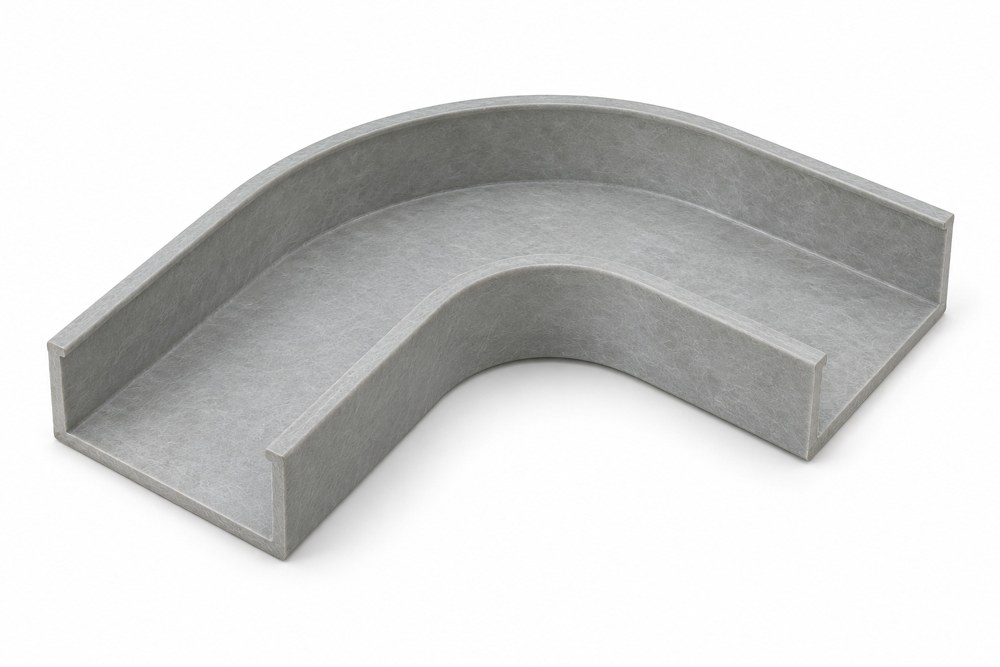
GRP / FRP bends — GRP / FRP tray accessory illustration

GRP / FRP bends

Turn a composite tray route with matching sidewall geometry and the required bend radius.
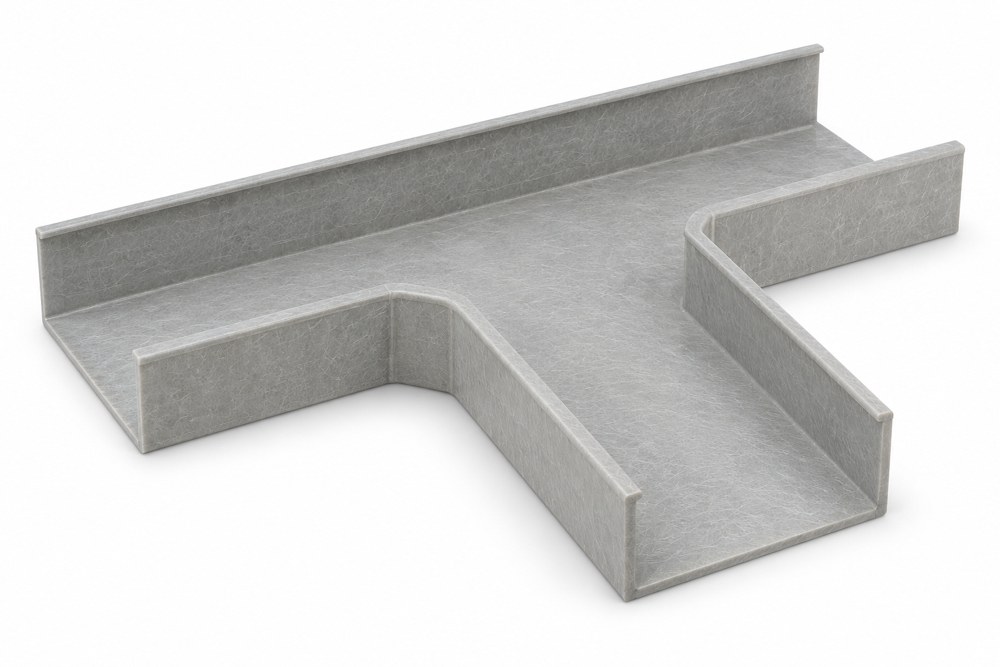
GRP / FRP tees — GRP / FRP tray accessory illustration

GRP / FRP tees

Branch the composite route with a tee matched to the offered tray system.
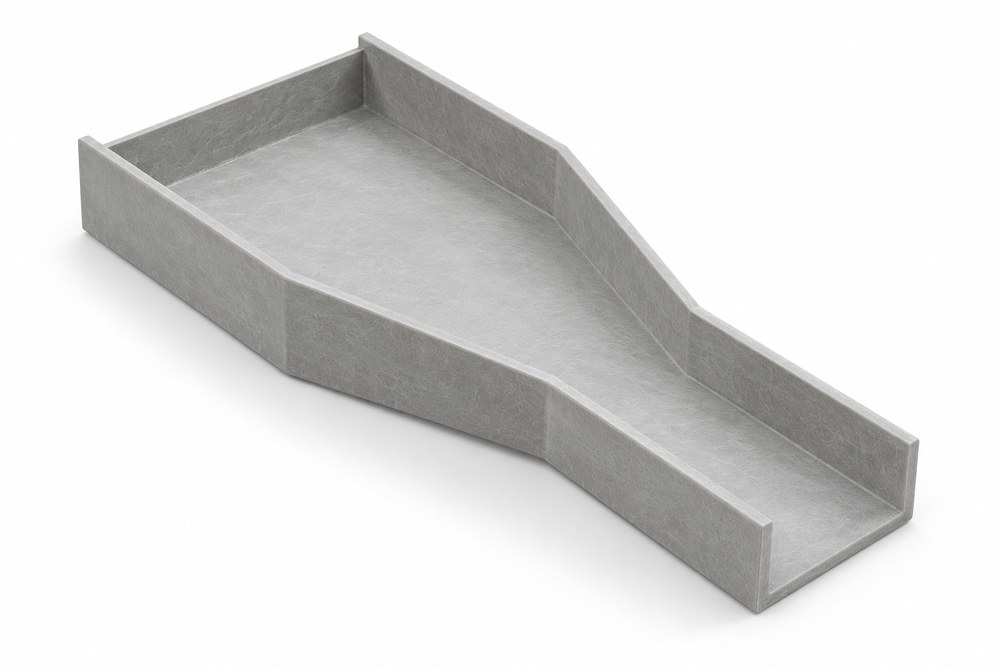
GRP / FRP reducers — GRP / FRP tray accessory illustration

GRP / FRP reducers

Connect different tray widths using a coordinated composite transition.
GRP / FRP covers — GRP / FRP tray accessory illustration

GRP / FRP covers

Add a composite cover where required and confirm its retention arrangement.

Product illustrations show the accessory family. Final geometry and material follow the selected system.

Explore cable management accessories
YOUR PROJECT, CONNECTED

Why discuss your package with Bonn Metal?

A coordinated product range

Bring GRP/FRP, steel and HDG containment, fittings and support requirements into one product discussion.

Manufacturing capability

Bonn Metal is a manufacturer and supplier. Its own hot-dip galvanising plant supports the metallic product range.

UAE project coverage

Discuss supply across all seven emirates, including Dubai and Abu Dhabi, with the project location and programme.

1

Select the system

Start with the product name and intended installation.

2

Share the requirement

Add sizes, quantities, finish and location when available.

3

Confirm the quotation

Review the proposed product, documentation and supply terms.

Discuss your product requirement