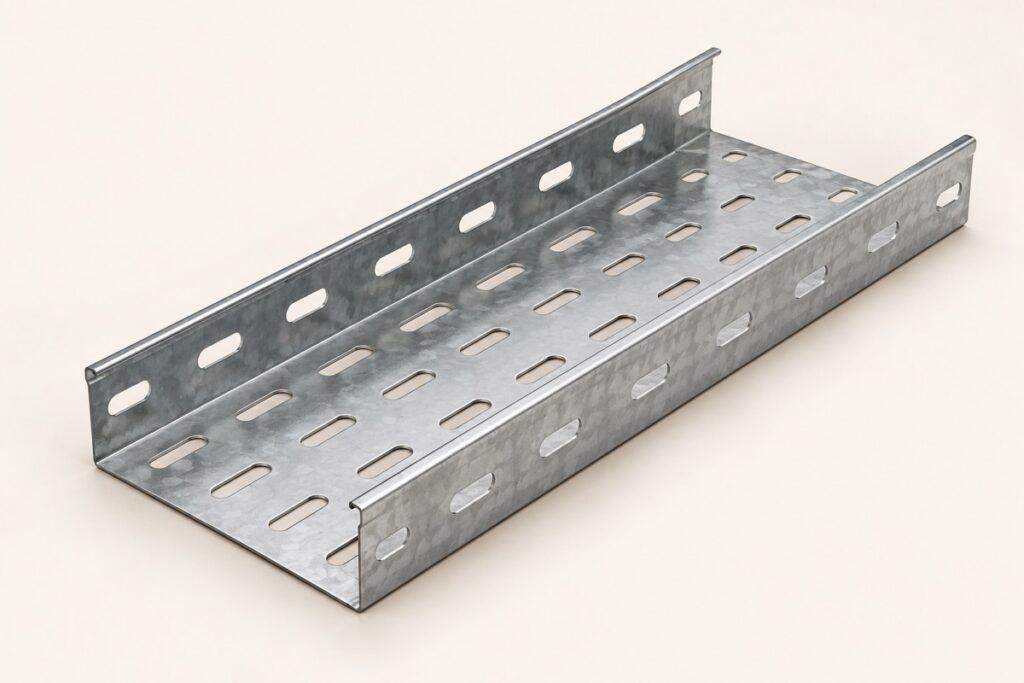
Define the construction
- Material and protective finish
- Project-specific requirements

STEEL CABLE MANAGEMENT & SUPPORTS
Bonn Metals manufactures and supplies hot-dip galvanised cable trays and operates its own hot-dip galvanising plant. Define the tray configuration and coating requirement together so the proposed product can be reviewed against the installation environment.
Hot-dip galvanised and pre-galvanised descriptions should not be used as interchangeable specifications. Identify the required process, applicable project standard and coating acceptance requirements in the enquiry. Confirm the proposed treatment of fabrication details, joints and site modifications.
Choose the required perforated or solid bottom construction. Provide usable width, side depth, section length and thickness where specified. Review cable loads and support spacing using the actual product data; an HDG finish is not itself a loading classification.
Include bends, tees, crosses, reducers, covers and joining parts. Brackets and fasteners should also have a defined finish suitable for the project. Confirm what is included in the coating requirement and how connections will be assembled and inspected.
Provide the installation environment with the enquiry, including outdoor exposure or contact with process chemicals where relevant. Handling, storage and any repair of damaged coating should follow the applicable product and coating guidance. Avoid selecting a system solely from an assumed service life.
Start with the product name, then add sizes, quantities, finish requirements and project location if known. Identify the documentation needed for approval. Coating details, technical acceptance, delivery and commercial terms are confirmed with the quotation.
| Selection detail | What to confirm |
|---|---|
| Tray construction | Perforated or solid bottom steel tray |
| Dimensions | Width, depth, thickness and section length |
| Coating | Required process, project standard and acceptance basis |
| Compatibility | Matching route fittings, supports and fasteners |
| Performance | Applicable product load/span information |
Specify the tray construction and the coating requirement as separate parts of the same enquiry. The tray may require perforations, a continuous base, particular side geometry or specific fitting details, while the finish must follow the project’s acceptance requirements. The words HDG cable tray should therefore be followed by enough information to identify both the steel item and its coating.
Bonn Metals operates its own hot-dip galvanising plant. For a project enquiry, identify the required galvanising specification, documentation and inspection basis. The actual offered construction, coating details and order requirements should be confirmed before procurement is finalised, including how fabricated parts and associated hardware are addressed.
List holes, cut lengths, fittings and joining components required by the route. Identify any approved fabrication that needs to be completed before the protective finish is applied. This allows the quotation to describe the tray as it is intended to be supplied rather than leaving later processing uncertain.
If site cutting or drilling is expected, raise it during the technical review and request the applicable guidance for the affected material and finish. Confirm how modifications will be accepted and documented. Avoid assuming that an altered component is automatically covered by the original coating description without reviewing the specified treatment.
Describe the location and operating conditions of the proposed installation, including outdoor exposure, contact with process substances or any project-specific environmental requirement. The site description helps define the information needed for material and coating review. A generic environment label should not replace the project’s actual exposure conditions.
Ask for the documents applicable to the proposed supply, including product dimensions, coating information and load/span data where required. Keep storage and handling guidance with the site team, and check delivered trays and fittings for visible damage before installation. The ordered finish and the installed support arrangement should remain traceable to the accepted specification.
Schedule bends, branches, reducers, covers and joining parts with the straight tray lengths. Specify the material and finish of brackets, clamps and fasteners as well. A tray route can contain several different components, so a coating note attached only to the straight length may leave the rest of the system unclear.
For technical comparisons, keep the dimensions, loading basis, fitting quantities and support requirements consistent across offers. If a GRP/FRP alternative is under consideration, assess it against the same route and environmental inputs. Request a clearly separated proposal so material alternatives and their supporting documents can be reviewed without confusion.
Identify the documents your project needs at the enquiry stage, such as the offered product drawing, material information, finish details and applicable performance data. Link requests to the relevant item reference and specification revision. Where a document covers several products, ask which construction and configuration it supports so the approval record matches the material being ordered.
Keep technical acceptance separate from commercial confirmation. Record any approved alternatives, unresolved inputs and items supplied by others before releasing the order. If the route or application changes, review the affected product and connection details using the revised project information. This helps the order remain consistent with the approved requirement rather than carrying forward assumptions from an earlier layout.
Bonn Metals serves projects across Dubai, Abu Dhabi and the other UAE emirates. Begin with the product name, then include dimensions, material, finish, quantities and the project location when available. Use the enquiry form or WhatsApp to start the discussion; an initial drawing upload is not required. For a mixed package, give each product and accessory a separate schedule reference.
Include the required programme, delivery area and any phased quantities in the enquiry. Availability, order quantities, packing arrangements, prices and delivery commitments are confirmed in the quotation. Review the accepted scope and document revision before placing the order, and identify changes clearly so the supply can be checked against the latest agreed schedule.
No. Loading depends on the tray construction, material and support arrangement. Request product-specific loading information.
Yes. Bonn Metals operates its own hot-dip galvanising plant. The required product and coating details are confirmed for each quotation.
Review the actual exposure and project specification. No single finish should be assumed suitable for every chemical or operating condition.
Add the tray configuration, width, side depth, length, thickness and coating requirement. Include the applicable project specification and required documentation. List fittings and supports separately so the finish and construction of the complete proposed route can be reviewed.
These descriptions refer to different coating routes and should be clarified in the order. State the required process and acceptance basis, including the treatment of fabrication and joints. Compare the actual proposed products rather than treating the word galvanised as a complete specification.
Yes. Identify material and finish requirements for covers, joining parts, brackets, clamps and fasteners. The quotation should make clear which components are included and how their finishes correspond to the project specification.
Identify planned modifications during the technical review and request the applicable product and coating guidance. Confirm the accepted method and any treatment or inspection required afterwards. Do not assume a site alteration is covered by the original supply description without review.
No. Request the tray’s applicable load/span information for the actual construction and proposed arrangement. The coating description addresses a finish requirement and does not establish a cable load capacity or validate the selected support spacing.
Yes. Use the same dimensions, cable loading, route fittings, support spacing and exposure conditions for both enquiries. Ask each proposal to identify its construction and supporting documents so technical differences remain visible in the comparison.
Request a quotation for supply across Dubai, Abu Dhabi and the UAE. Add dimensions, material, quantities and project location if available. Drawing upload is not required.
Bring the material, dimensions, installation and matching components together when planning your hdg tray enquiry.
Ventilated sheet-metal base with openings for cable routing and fastening.
Continuous base for routes requiring a supported enclosed-bottom arrangement.
Section thickness and reinforcement selected for the specified cable loading and supports.
| Parameter | Range / specification |
|---|---|
| Width | 50–1000 mm |
| Side height | 25–150 mm |
| Thickness | 0.9–3.0 mm |
| Section length | 2.5 m or 3 m |
| Finish | Hot-dip galvanised steel; coating requirements agreed with the project |
Schedule these components with the straight sections and supporting assembly.
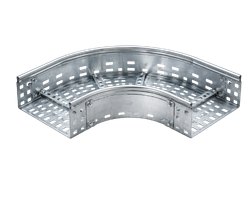
Turn the tray route in the horizontal plane while coordinating the cable bend radius.
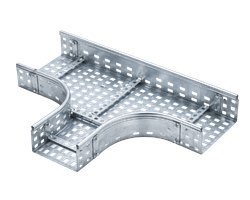
Branch a tray route into three directions. Include the width of every connection.
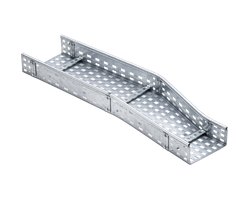
Change between tray widths with the transition identified in the fitting schedule.
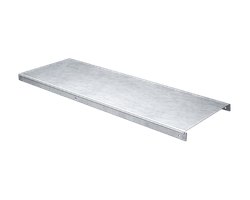
Complete covered runs with compatible covers and retention components.
Product illustrations show the accessory family. Final geometry and material follow the selected system.
Explore cable management accessoriesBring GRP/FRP, steel and HDG containment, fittings and support requirements into one product discussion.
Bonn Metal is a manufacturer and supplier. Its own hot-dip galvanising plant supports the metallic product range.
Discuss supply across all seven emirates, including Dubai and Abu Dhabi, with the project location and programme.
Start with the product name and intended installation.
Add sizes, quantities, finish and location when available.
Review the proposed product, documentation and supply terms.