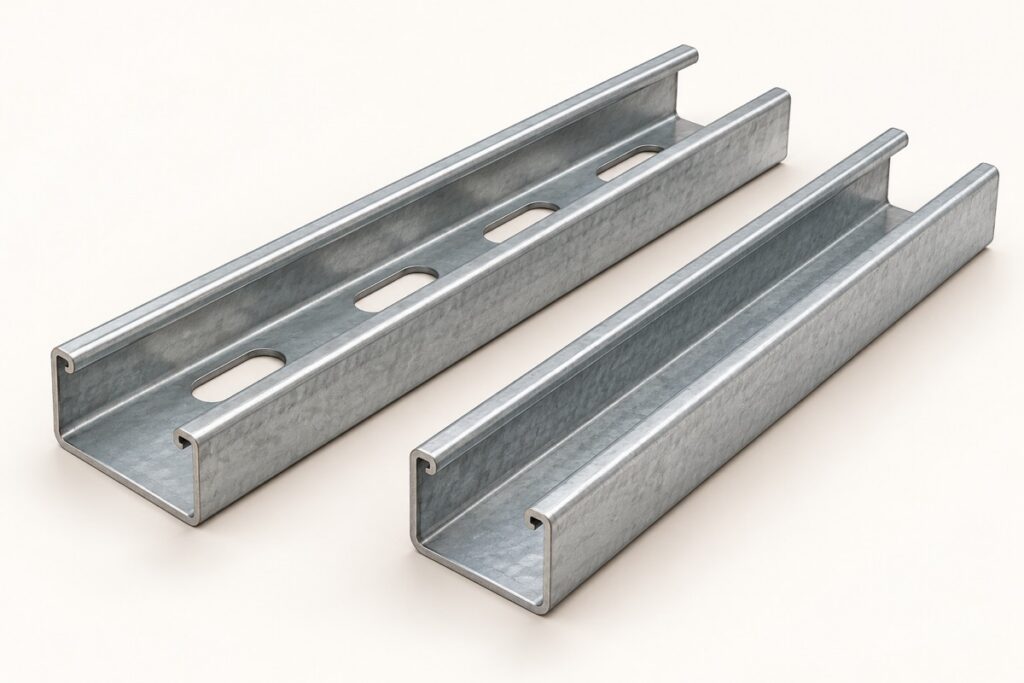
Start with the framing section
- Slotted or unslotted construction
- Section dimensions and material thickness

STEEL CABLE MANAGEMENT & SUPPORTS
Bonn Metals manufactures and supplies strut channels for electrical and MEP support arrangements across the UAE. Coordinate the channel profile, section thickness, finish and connecting hardware with the complete support assembly.
Slotted channels provide openings along the channel section; unslotted channels have a continuous back. Select the arrangement against the proposed connection details and project specification. Confirm slot geometry and location where these affect the mounting arrangement.
The phrase GI channel should be expanded into a clear material and coating requirement. For an HDG strut channel, confirm whether the proposed fabrication, holes and joints are covered by the specified coating route. Matching brackets, nuts and fasteners also need an appropriate finish.
Channel nuts, angle fittings, clamps, base plates and brackets should be selected to suit the actual profile. A similar nominal channel width does not establish compatibility between every nut and channel lip. Check the complete connection rather than relying on appearance alone.
The performance of a support assembly depends on the channel, connections, fixing arrangement and supporting structure. Confirm the loads, orientation, span and connection positions for the intended use. Channel selection alone does not validate the anchors or the structure to which they are fixed.
Start with “strut channel” and add slotted or unslotted configuration, required profile, thickness, finish, length and quantity where known. Include the associated fittings and project location to help define a coordinated quotation.
| Selection detail | What to confirm |
|---|---|
| Section | Profile width, depth, thickness and length |
| Configuration | Slotted or unslotted |
| Finish | Defined GI or HDG coating requirement |
| Hardware | Channel nuts, fittings, clamps, brackets and base plates |
| Design basis | Loads, spans, orientation and fixing arrangement |
Start with what the channel must support and how the load reaches the building. A short wall bracket, a suspended trapeze and an equipment frame place different demands on channel orientation and connections. Identify the supported services, the proposed span or projection and the position of each connection before selecting the section.
A channel schedule should describe the complete arrangement, including whether a single channel, paired assembly or another approved configuration is required. If the design uses back-to-back sections or connecting plates, identify those details separately. Bonn Metals can discuss the channel and associated fittings from an initial product enquiry, with the final construction defined in the quotation.
Record the channel width, depth, thickness and lip geometry using the project reference or drawing. For slotted channels, include the required slot dimensions and pitch where specified. State required lengths and distinguish stock-length supply from cutting or fabrication that must be included in the offer.
Check channel nuts, threaded rods, angle fittings and clamps against the actual section. Connection hardware needs to engage correctly with the channel profile; a matching nominal width does not resolve every detail. List thread sizes, plate holes and the finish requirements of connecting components so that the supplied assembly can be checked before site work begins.
Use the service layout to identify the required clearance around pipes, trays, ladders and equipment. Several services on one frame can create different loading positions and access needs. Record where equipment moves, where maintenance clearance is needed and where another trade’s support arrangement could affect the channel layout.
The supporting substrate and anchor arrangement require their own review. Identify concrete, steel or another supporting construction in the enquiry where known, and clarify who is responsible for the fixing design. Confirm the design loads and connection arrangement with the project team instead of assuming that the channel’s published data validates the entire frame.
Give each channel size and fabrication detail a clear reference in the material schedule. Separate plain lengths from cut lengths, drilled sections and assembled items. List channel nuts, brackets, base plates and connecting hardware in their own quantities. This helps keep the order understandable when site coordination changes only one part of a support arrangement.
On receipt, compare the supplied profile and hardware with the approved details. Keep compatible components identified together and protect their finishes during storage. Follow the offered system’s instructions for assembly and tightening; substitutions or site alterations should be reviewed before they are incorporated into a loaded support.
Identify the documents your project needs at the enquiry stage, such as the offered product drawing, material information, finish details and applicable performance data. Link requests to the relevant item reference and specification revision. Where a document covers several products, ask which construction and configuration it supports so the approval record matches the material being ordered.
Keep technical acceptance separate from commercial confirmation. Record any approved alternatives, unresolved inputs and items supplied by others before releasing the order. If the route or application changes, review the affected product and connection details using the revised project information. This helps the order remain consistent with the approved requirement rather than carrying forward assumptions from an earlier layout.
Bonn Metals serves projects across Dubai, Abu Dhabi and the other UAE emirates. Begin with the product name, then include dimensions, material, finish, quantities and the project location when available. Use the enquiry form or WhatsApp to start the discussion; an initial drawing upload is not required. For a mixed package, give each product and accessory a separate schedule reference.
Include the required programme, delivery area and any phased quantities in the enquiry. Availability, order quantities, packing arrangements, prices and delivery commitments are confirmed in the quotation. Review the accepted scope and document revision before placing the order, and identify changes clearly so the supply can be checked against the latest agreed schedule.
They serve different connection and section requirements. Confirm the actual profile, material and intended support detail before substituting either product.
Confirm the nut, thread and channel profile as a compatible assembly. Nominal channel width alone is insufficient.
Yes. Add the angle fittings, brackets, nuts, clamps and base plates required for the support arrangement.
Slotted strut includes openings along the section, while an unslotted section has a continuous back. Select the configuration to suit the approved connections and fabrication requirements. For slotted items, specify the opening geometry where it affects the proposed mounting detail.
Confirm the nut’s compatibility with the actual channel lips and profile. Check the thread size and the associated fitting or fastener. A shared nominal width alone is not a complete compatibility check for a framing connection.
Provide the channel section, arrangement, dimensions, load positions and connections. Include the supporting substrate and anchor responsibility where known. Identify any paired sections, base plates or special fittings so that the proposal covers the intended assembly.
Describe the proposed services and their load positions for design review. The channel, connections, rods, fixings and supporting structure must be considered together. A general product description cannot establish the capacity of every combined MEP support arrangement.
Include each required component in the enquiry and confirm the supplied scope in the quotation. State thread sizes, fitting references, quantities and finishes. This prevents a price for channel lengths alone from being compared with a complete framing package.
Include lengths, hole positions, slot requirements and quantities for review. Mark the relevant tolerances and any finish requirements after fabrication. Feasibility and supply terms should be agreed before fabrication is released.
Request a quotation for supply across Dubai, Abu Dhabi and the UAE. Add dimensions, material, quantities and project location if available. Drawing upload is not required.
Bring the material, dimensions, installation and matching components together when planning your strut channel enquiry.
Openings provide positions for coordinating mounting and connection details.
Continuous-back sections for the specified support and connection arrangement.
Shallower profiles for installations where clearance and design permit.
| Parameter | Range / specification |
|---|---|
| Width options | 41 mm or 50 mm |
| Depth options | 21 mm or 41 mm |
| Thickness | 1.5–3.0 mm |
| Section length | 3 m or 6 m |
| Slot spacing | 50–100 mm, according to offered profile |
Schedule these components with the straight sections and supporting assembly.
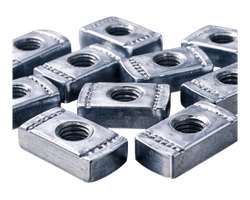
Match the nut profile, thread size and engagement with the actual channel lips.
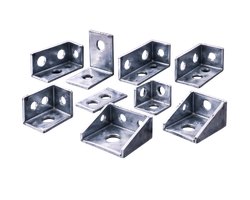
Connect channel members with coordinated hole positions and fasteners.
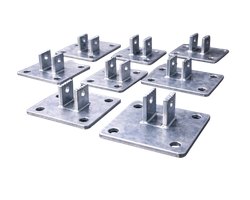
Coordinate the frame-to-substrate interface, plate geometry and fixing arrangement.
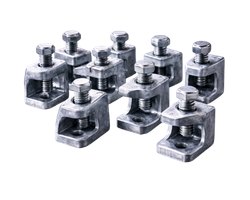
Discuss attachment to steelwork against the clamp and structural design requirements.
Product illustrations show the accessory family. Final geometry and material follow the selected system.
Explore cable management accessoriesBring GRP/FRP, steel and HDG containment, fittings and support requirements into one product discussion.
Bonn Metal is a manufacturer and supplier. Its own hot-dip galvanising plant supports the metallic product range.
Discuss supply across all seven emirates, including Dubai and Abu Dhabi, with the project location and programme.
Start with the product name and intended installation.
Add sizes, quantities, finish and location when available.
Review the proposed product, documentation and supply terms.