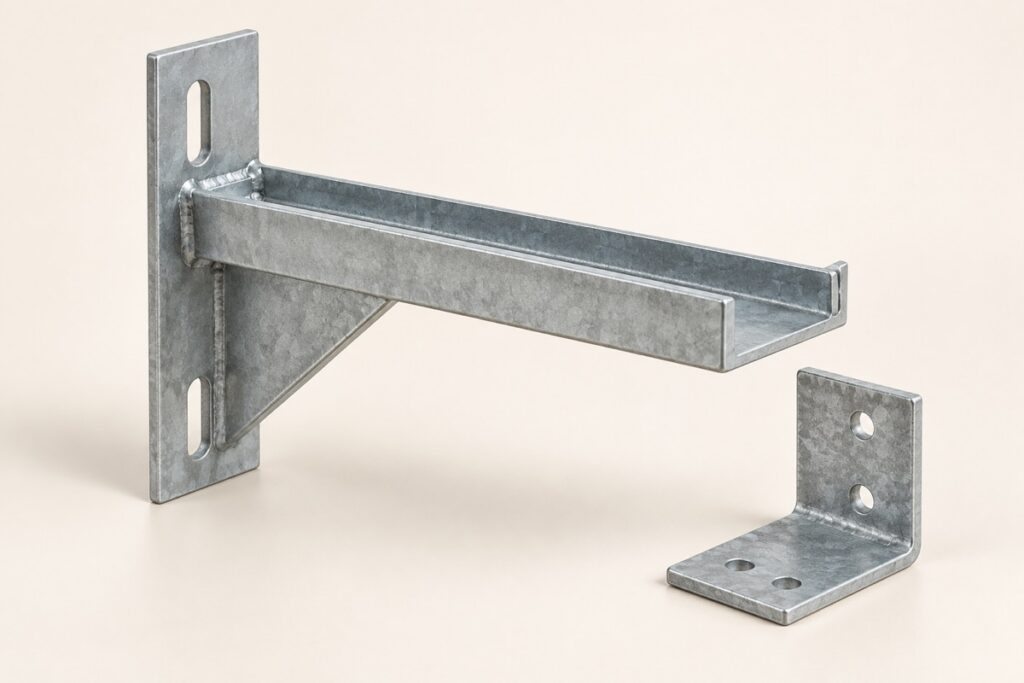
Define the construction
- Material and protective finish
- Project-specific requirements

STEEL CABLE MANAGEMENT & SUPPORTS
Bonn Metals manufactures and supplies brackets for cable containment, framing and construction support requirements. Select the bracket together with the supported product, connection details and substrate rather than treating it as an isolated component.
Wall-mounted, suspended and other bracket arrangements create different connection and loading conditions. Identify the supported tray, ladder, channel or construction item and the direction of the load. Include the required projection and installation clearances in the enquiry.
Confirm plate thickness, arm length, hole dimensions and connection positions against the project detail. Where a bracket connects to strut channel, check the channel profile and associated nuts and fittings. For repeat items, assign clear bracket references to avoid confusion between similar dimensions.
Specify the required steel and coating for the installation environment. Coordinate bracket and fastener finishes with the supported containment system. Where fabrication or site modifications are proposed, review their effect on the protective finish and connection arrangement.
A bracket’s capacity cannot establish the capacity of every anchor or supporting structure. Review the complete load path, including the bracket connection, fasteners, anchors and substrate. Use the applicable drawings and performance information for the proposed assembly.
Start with the product name. Add bracket type, dimensions, finish, quantity and project location where known. The supported system, loading requirement and intended fixing arrangement help define the item more precisely. Confirm all technical and commercial details before placing the order.
| Selection detail | What to confirm |
|---|---|
| Arrangement | Wall, suspended or project-specific support detail |
| Dimensions | Projection, plate geometry, thickness and hole pattern |
| Connection | Supported product, channel profile and fixings |
| Finish | Specified material and coating system |
| Loading | Direction, magnitude and complete load path |
Describe the supported product and the way it sits on or connects to the bracket. A wall arm carrying a tray, a suspended connection and a construction fixing can use different geometries even when all are described as brackets. Identify projection, clearance and the position of the load relative to the fixing surface.
Include the mounting orientation and the number of support positions required by the layout. For a cable route, coordinate the bracket arrangement with the selected tray or ladder and its installation information. For another construction application, provide the relevant approved support detail so the proposal can be reviewed for that specific use.
Give the bracket an item reference and record arm length, plate dimensions, thickness, hole sizes and hole positions. Include the required orientation or handed arrangement where two items would otherwise look similar. Show any slots, stiffeners or connecting plates that form part of the specified construction.
For channel-connected brackets, identify the channel profile and mating hardware. For wall or soffit fixings, state the substrate and approved connection requirements where known. Clear geometry helps separate the fabricated bracket from its anchors, bolts, clamps and other parts so the quotation identifies the complete supply scope.
The supported load passes through the bracket and its connections into the supporting structure. Identify load magnitude and direction, including any loading arrangement set by the project. Projection and connection position should be reviewed together with the actual bracket construction. A general load label without these details leaves the application unclear.
The anchor arrangement and substrate need separate confirmation by the responsible project designer. State who supplies and approves those fixings, and identify any site constraints such as restricted edge distances or existing construction. The bracket proposal should be checked against the approved support arrangement before installation.
State the material and protective finish required for the installation environment. Identify fabrication that must be completed before coating and any restrictions on site alterations. Keep the finishes of brackets, connecting bolts and the supported containment system coordinated in the order.
For repeat items, retain the accepted reference, revision and dimensions rather than reordering from a photograph alone. When receiving brackets, check the geometry, holes, quantity and finish against the schedule. Separate items with different projections or fixing patterns so the correct bracket reaches each installation location.
Identify the documents your project needs at the enquiry stage, such as the offered product drawing, material information, finish details and applicable performance data. Link requests to the relevant item reference and specification revision. Where a document covers several products, ask which construction and configuration it supports so the approval record matches the material being ordered.
Keep technical acceptance separate from commercial confirmation. Record any approved alternatives, unresolved inputs and items supplied by others before releasing the order. If the route or application changes, review the affected product and connection details using the revised project information. This helps the order remain consistent with the approved requirement rather than carrying forward assumptions from an earlier layout.
Bonn Metals serves projects across Dubai, Abu Dhabi and the other UAE emirates. Begin with the product name, then include dimensions, material, finish, quantities and the project location when available. Use the enquiry form or WhatsApp to start the discussion; an initial drawing upload is not required. For a mixed package, give each product and accessory a separate schedule reference.
Include the required programme, delivery area and any phased quantities in the enquiry. Availability, order quantities, packing arrangements, prices and delivery commitments are confirmed in the quotation. Review the accepted scope and document revision before placing the order, and identify changes clearly so the supply can be checked against the latest agreed schedule.
Check the bracket dimensions, load and connection arrangement for the selected containment system. Similar appearance does not establish suitability.
Identify the required fixings and substrate in the enquiry. The quotation should state which components are included.
Share the required dimensions and configuration for review. Fabrication details, quantity and feasibility are confirmed in the quotation.
Identify the supported system, projection, arm and plate geometry, thickness and fixing pattern. State the mounting surface and load requirement where known. Include the bracket reference and quantity so similar-looking support items can be distinguished in the quotation.
No. The bracket, its connection, anchors and supporting structure form separate parts of the load path. The complete arrangement needs review for the actual substrate and loading. Clarify anchor supply and design responsibility before the installation is approved.
Identify the actual channel profile and the required mating hardware. Include hole geometry, thread sizes, orientation and finish. The connection should be checked as an assembly rather than assuming any bracket with a similar hole will suit the channel system.
Use separate references when projection, thickness, hole pattern or orientation changes. Include those references in drawings, schedules and delivery notes. This makes it easier to identify the correct support and avoids treating visually similar brackets as interchangeable.
Any change to holes, section geometry or finish should be reviewed against the approved arrangement and supplied guidance. Do not assume that a modified component retains the same performance. Confirm the accepted detail and any required coating treatment before use.
Yes. Schedule the required bracket type and quantity alongside the selected containment system. Identify clamps, channel hardware and structural fixings separately. The final offer should state what is included and what remains the responsibility of another package.
Request a quotation for supply across Dubai, Abu Dhabi and the UAE. Add dimensions, material, quantities and project location if available. Drawing upload is not required.
Bring the material, dimensions, installation and matching components together when planning your steel bracket enquiry.
Projecting supports fixed to the specified wall or structure.
L-shaped connection components for coordinated support details.
Positions and connection slots agreed against the installation requirement.
| Parameter | Range / specification |
|---|---|
| Material | Mild steel / structural steel |
| Fabrication thickness | 1.5–5.0 mm |
| Lengths / projection | Project-based |
| Fabrication | Cut, formed and drilled to the specified detail |
| Load capacity | Defined by the complete support and fixing design |
Schedule these components with the straight sections and supporting assembly.
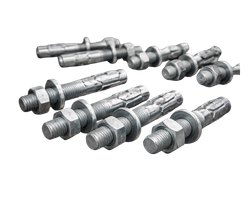
Select fixings against the supporting substrate, loads and approved connection detail.
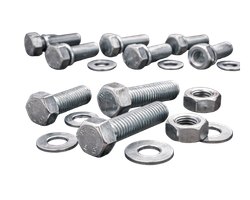
Schedule thread sizes, quantities and protective finishes for assembly.
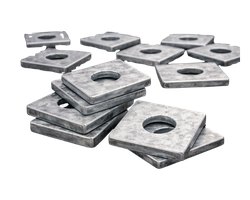
Use the specified plate geometry at the connection interface.
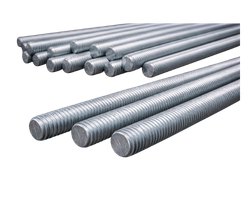
Coordinate suspended supports with rod sizes, finish and connecting components.
Product illustrations show the accessory family. Final geometry and material follow the selected system.
Explore cable management accessoriesBring GRP/FRP, steel and HDG containment, fittings and support requirements into one product discussion.
Bonn Metal is a manufacturer and supplier. Its own hot-dip galvanising plant supports the metallic product range.
Discuss supply across all seven emirates, including Dubai and Abu Dhabi, with the project location and programme.
Start with the product name and intended installation.
Add sizes, quantities, finish and location when available.
Review the proposed product, documentation and supply terms.