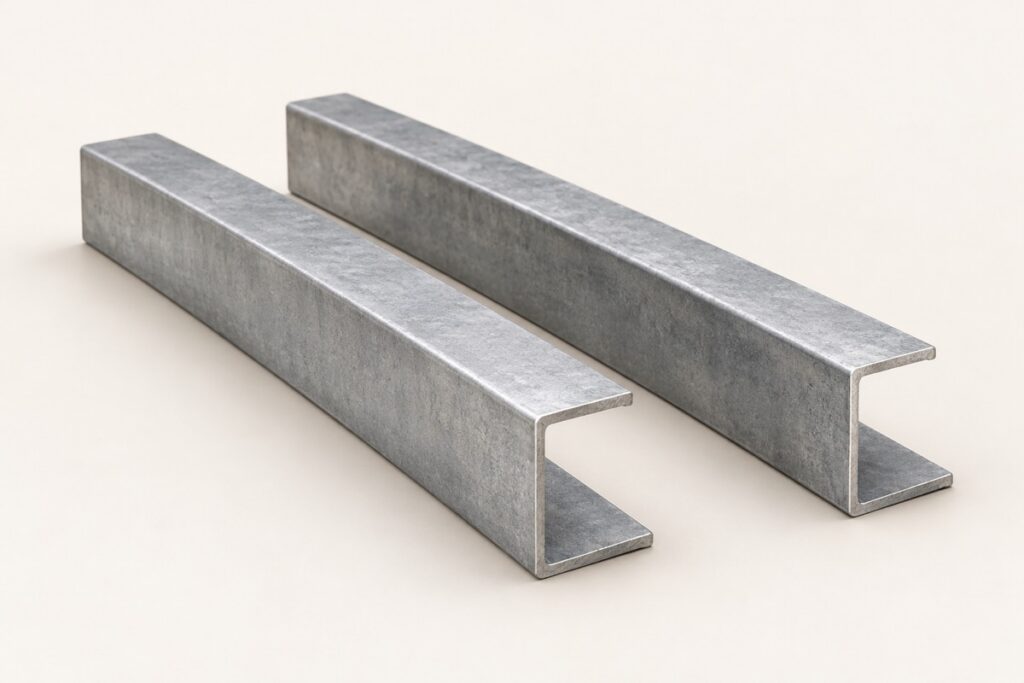
Define the construction
- Material and protective finish
- Project-specific requirements

STEEL CABLE MANAGEMENT & SUPPORTS
Bonn Metals manufactures and supplies steel C channels for construction, fabrication and support requirements. Define the section dimensions and material specification against the intended use, then coordinate lengths, finish and connection details.
C-shaped sections vary in geometry and construction. Confirm the web depth, flange dimensions, thickness and any lip detail rather than relying on the name C channel alone. Include the specified section reference where the project uses one.
A structural or fabrication channel should not be assumed interchangeable with a strut framing profile. Strut systems rely on particular channel lips and compatible connection hardware. Select the section that matches the approved application and its connection requirements.
Provide required lengths and quantities using clear item references. Identify holes, cut-outs or other fabrication requirements where relevant. Confirm dimensional tolerances and any restrictions on site modifications before the order is finalised.
State the required steel grade and protective finish. Review the load, orientation, span and connections as part of the project design. A channel’s nominal dimensions do not establish its suitability for every structural or support application.
Start with “C channel” and add the section reference or dimensions if available. Include material, finish, lengths, quantities and project location. Packing, delivery programme and commercial terms are confirmed with the quotation.
| Selection detail | What to confirm |
|---|---|
| Profile | Web, flange, thickness and any lip dimensions |
| Material | Project steel grade or section specification |
| Length | Required cut or stock-length arrangement |
| Fabrication | Hole patterns, cut-outs and tolerances |
| Application | Loads, orientation, span and connection detail |
A C-channel enquiry should identify the actual geometry and construction required by the project. Record web depth, flange width, thickness and any lips or returns, along with the section reference used in the drawings. State how the dimensions are measured and include units so different profile conventions do not create a mismatch.
Identify whether the item is intended for fabrication, framing or another approved support application. A shared C-shaped outline does not establish that two sections have equivalent properties or connections. The proposed section should be checked against the project’s material, geometry and application requirements before it is accepted.
Prepare a cutting schedule with item references, lengths and quantities. Show the intended orientation where it matters to the assembly and identify holes, notches, end details or connecting plates required by the drawings. Separate unmodified lengths from fabricated items so the supply and processing scope is clear.
Confirm the relevant dimensional tolerances and the drawing revision before fabrication. If members connect to other steelwork, include the interface dimensions and the responsibility for connecting hardware. A coordinated schedule reduces the risk of receiving the right nominal section with the wrong length or connection arrangement.
State the required steel specification and the protective finish separately from the section dimensions. Include the installation environment and any coating requirements set by the project. Where fabrication must precede finishing, identify the relevant details in the order rather than leaving their sequence open.
Connections, fasteners and adjacent materials should be considered with the channel. For a support application, provide the loads, span and connection arrangement to the responsible designer. Do not treat a product category or a nominal section size as evidence that the member is suitable for every construction use.
If a proposed section differs from the specified reference, identify the difference clearly for review. Changes in thickness, lips, material or connection geometry can affect the intended assembly. Keep alternatives separate in the quotation so approval of one item is not confused with acceptance of another.
On delivery, compare the profile, lengths, fabrication and finish with the accepted schedule. Keep identification linked to the relevant drawing references, particularly where several similar channels are used on one project. Store sections on suitable supports and follow the supplied handling guidance to protect the ordered finish and geometry.
Identify the documents your project needs at the enquiry stage, such as the offered product drawing, material information, finish details and applicable performance data. Link requests to the relevant item reference and specification revision. Where a document covers several products, ask which construction and configuration it supports so the approval record matches the material being ordered.
Keep technical acceptance separate from commercial confirmation. Record any approved alternatives, unresolved inputs and items supplied by others before releasing the order. If the route or application changes, review the affected product and connection details using the revised project information. This helps the order remain consistent with the approved requirement rather than carrying forward assumptions from an earlier layout.
Bonn Metals serves projects across Dubai, Abu Dhabi and the other UAE emirates. Begin with the product name, then include dimensions, material, finish, quantities and the project location when available. Use the enquiry form or WhatsApp to start the discussion; an initial drawing upload is not required. For a mixed package, give each product and accessory a separate schedule reference.
Include the required programme, delivery area and any phased quantities in the enquiry. Availability, order quantities, packing arrangements, prices and delivery commitments are confirmed in the quotation. Review the accepted scope and document revision before placing the order, and identify changes clearly so the supply can be checked against the latest agreed schedule.
No. Confirm the actual section and connection system. A C-shaped profile does not automatically accept strut channel hardware.
Include the required lengths and quantities for review. Supply and fabrication terms are confirmed with the quotation.
Use the approved section reference or complete profile dimensions and material requirement, together with the application and design information.
Provide web depth, flange dimensions, thickness and any lip or return details. Add the project’s section reference and material requirement. Clarify units and the dimensional convention where necessary so the offered profile can be compared with the specified section.
Any proposed substitute should be identified and reviewed against the approved requirements. Compare geometry, material, fabrication and connections, along with the design basis for the intended use. Similar appearance does not establish that the assembly will perform in the same way.
Provide their dimensions and positions on a referenced detail, together with the required tolerances and quantities. Identify the drawing revision and protective finish. The quotation should confirm the fabrication scope before the order is released.
Strut framing uses a particular profile and compatible connection hardware. Other C-shaped sections may serve fabrication or construction purposes without accepting those fittings. Confirm the actual section and connection requirements rather than treating the names as interchangeable.
The responsible project designer should confirm the section for the loads, span, orientation and connections involved. Bonn Metals can receive the specified section and supply requirements for quotation. Product category information is not a project-specific structural design.
Use one schedule line for each distinct length or fabrication detail. Include item reference, section, material, finish and quantity. Keep the units consistent and identify any permitted tolerances so the quotation and delivery can follow the same schedule.
Request a quotation for supply across Dubai, Abu Dhabi and the UAE. Add dimensions, material, quantities and project location if available. Drawing upload is not required.
Bring the material, dimensions, installation and matching components together when planning your steel channel enquiry.
Channel-section members identified by their web and flange dimensions.
Lengths scheduled against the fabrication or support requirement.
Holes, plates and connections coordinated with the approved design.
| Parameter | Range / specification |
|---|---|
| Material | Mild steel / structural steel, grade stated in the quotation |
| Section dimensions | Web depth, flange width and thickness: project-specific |
| Length | Project-cut or scheduled supply lengths |
| Protective finish | Defined steel / galvanised finish as specified |
| Structural basis | Section properties and connection design for the actual requirement |
Schedule these components with the straight sections and supporting assembly.
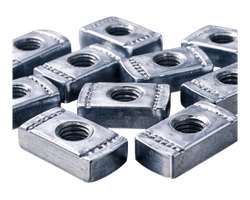
Match the nut profile, thread size and engagement with the actual channel lips.
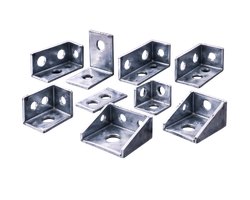
Connect channel members with coordinated hole positions and fasteners.
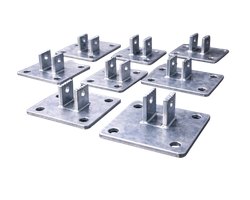
Coordinate the frame-to-substrate interface, plate geometry and fixing arrangement.
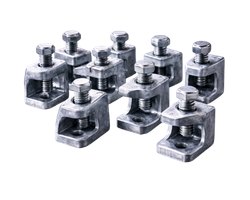
Discuss attachment to steelwork against the clamp and structural design requirements.
Product illustrations show the accessory family. Final geometry and material follow the selected system.
Explore cable management accessoriesBring GRP/FRP, steel and HDG containment, fittings and support requirements into one product discussion.
Bonn Metal is a manufacturer and supplier. Its own hot-dip galvanising plant supports the metallic product range.
Discuss supply across all seven emirates, including Dubai and Abu Dhabi, with the project location and programme.
Start with the product name and intended installation.
Add sizes, quantities, finish and location when available.
Review the proposed product, documentation and supply terms.